
A Log Home on 28 Acres of Trails in Acworth
$499,755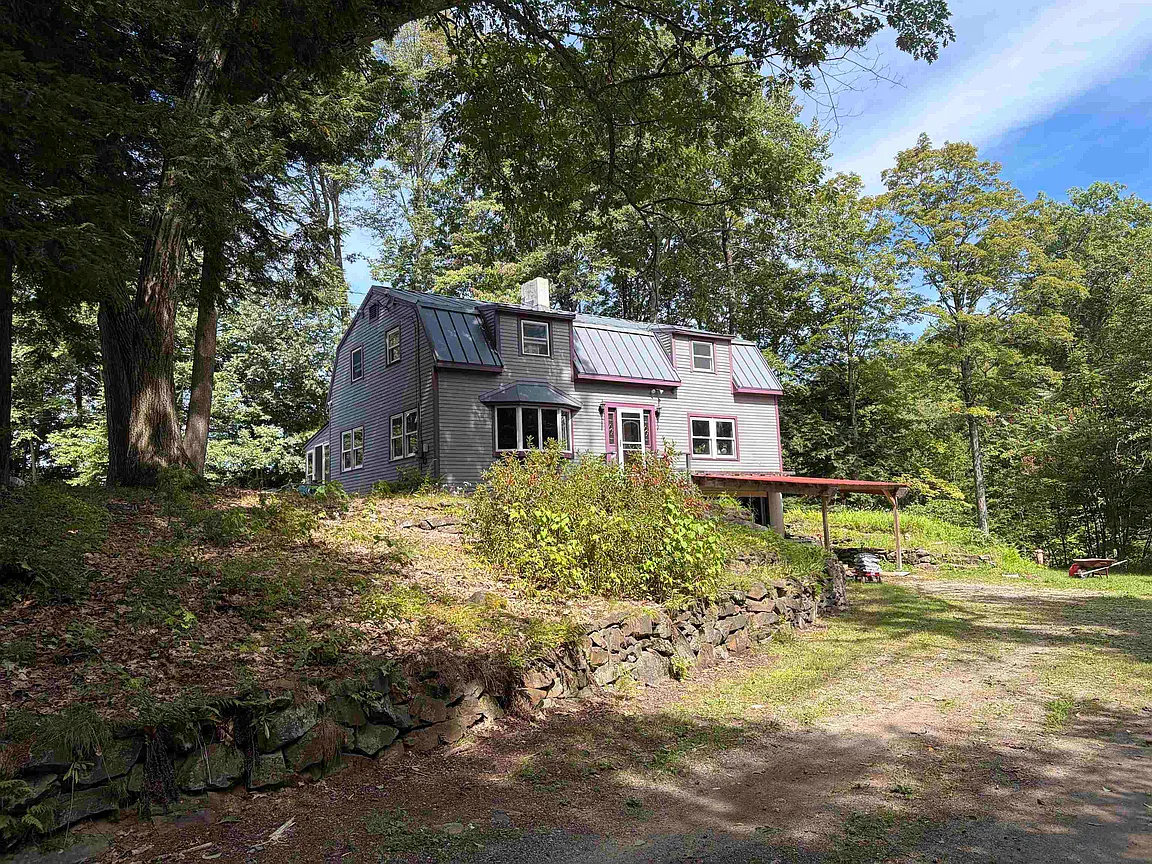
Near the Acworth/Charlestown line — 28 acres of New Hampshire woods and trails, most of it enrolled in the state's Current Use program.
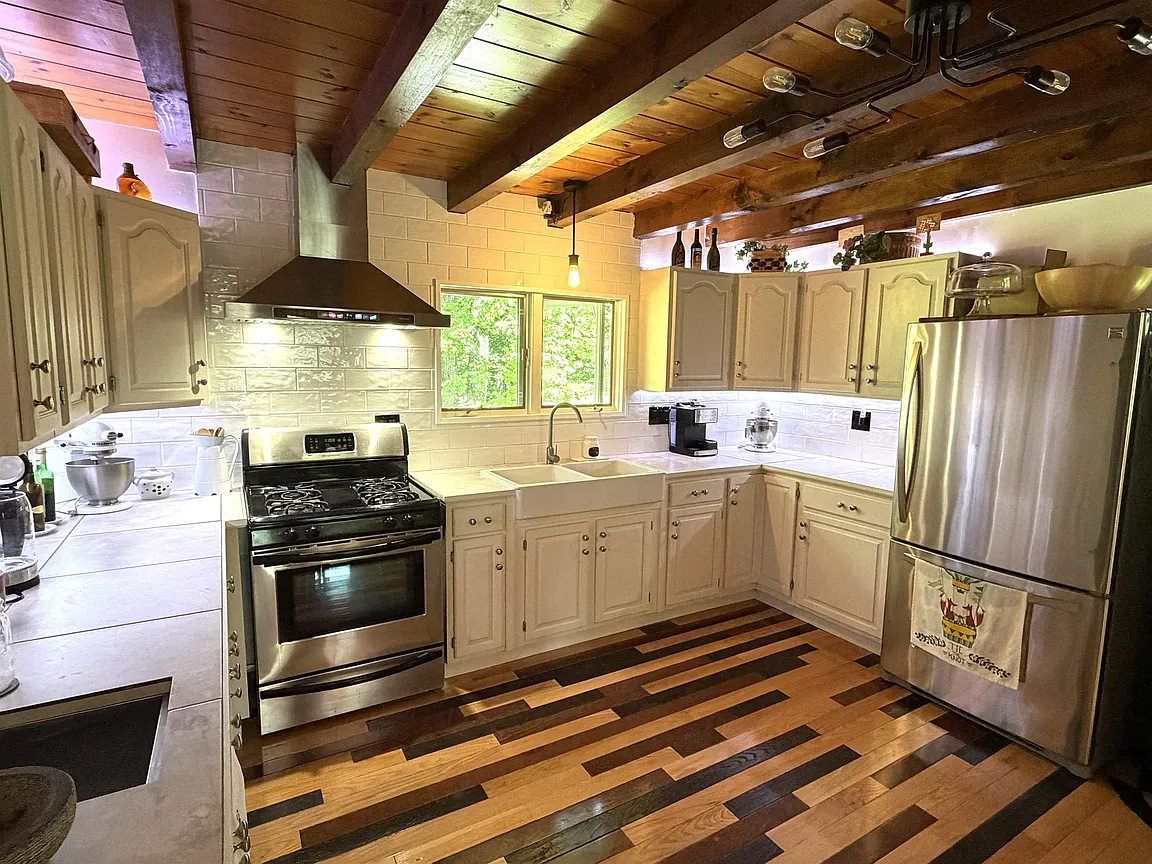
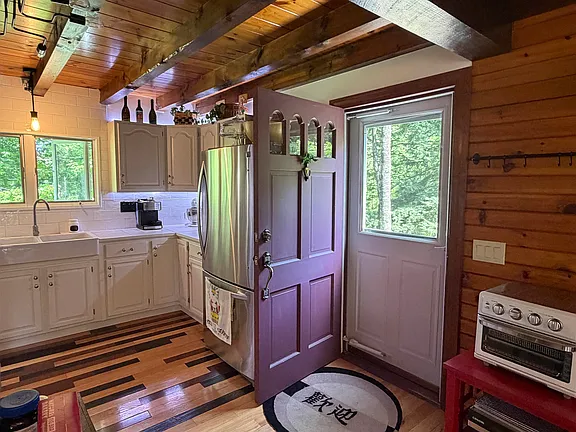
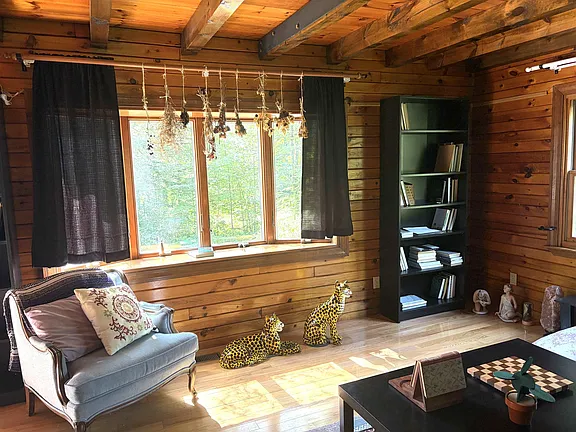
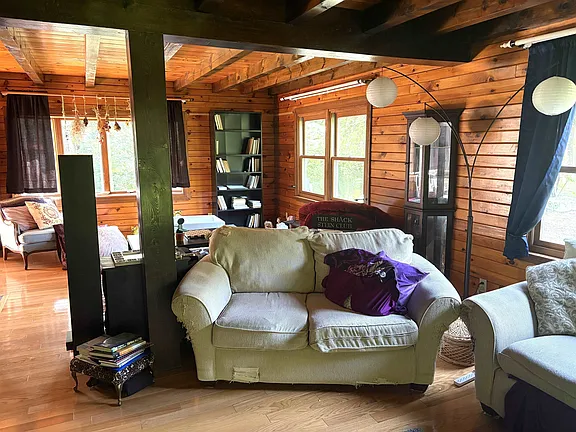
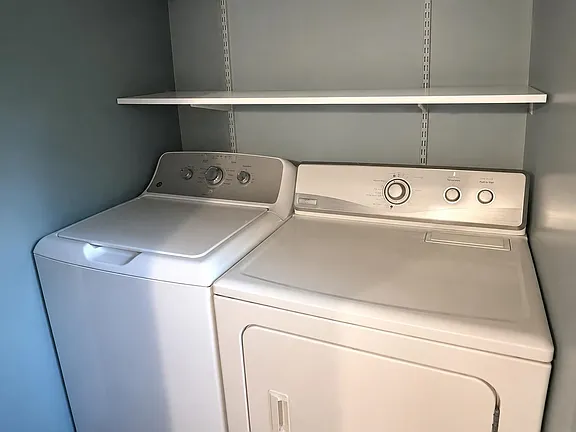
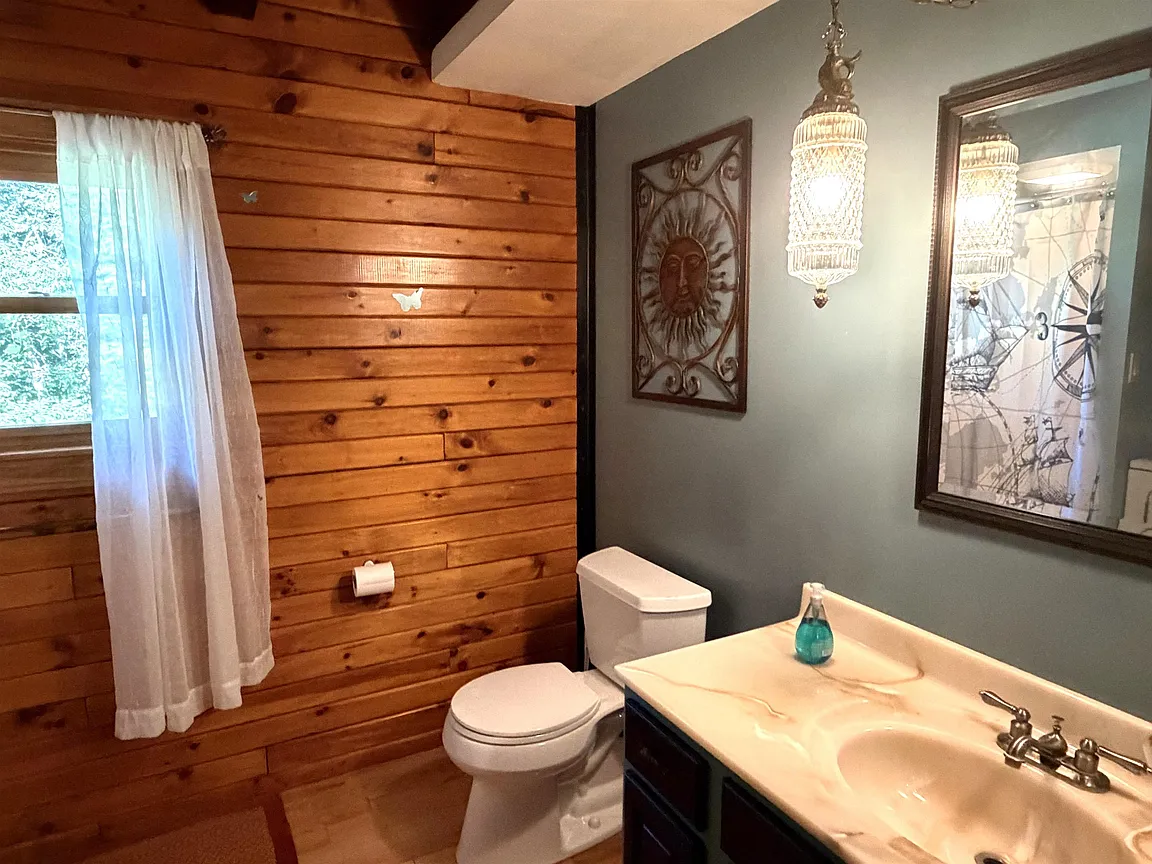
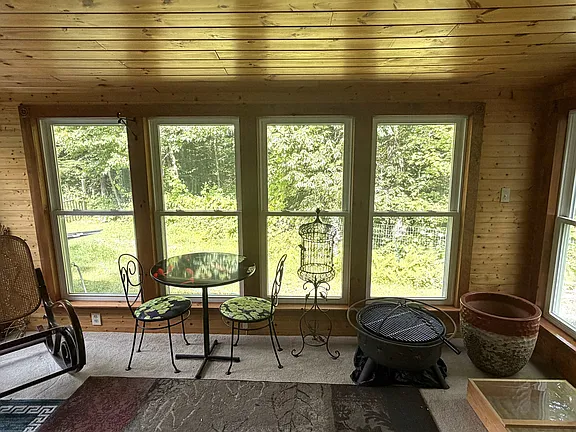
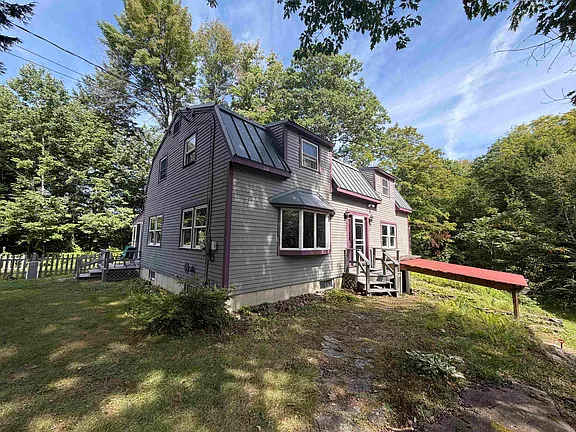
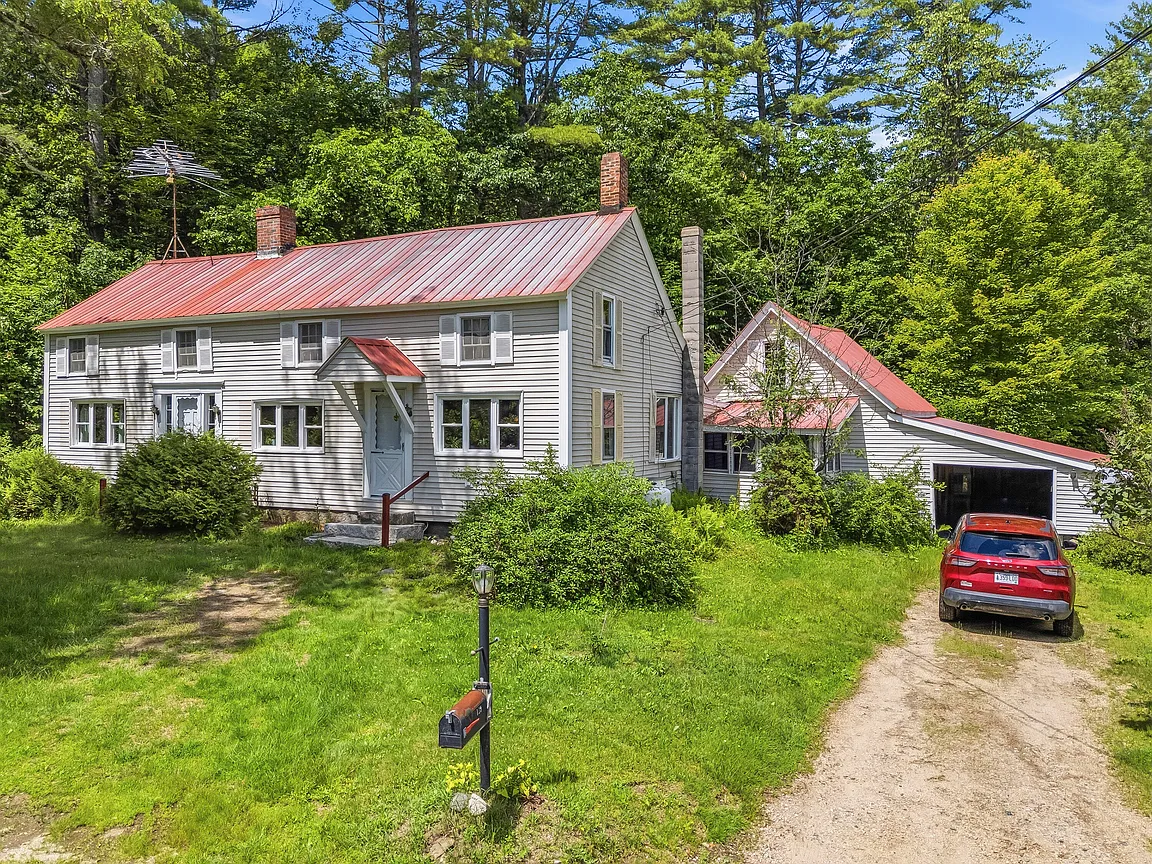
This solid-wall log home comes with a bay-window living room built around a hearth and wood stove, a newly updated kitchen with new appliances, and new luxury wood plank flooring upstairs. 4 bd / 2 ba, 2,184 sq ft, built 1989, on 28 acres.
Listed at $499,755. Listing courtesy of Carol Slocum, Keller Williams Realty Metro-Keene.
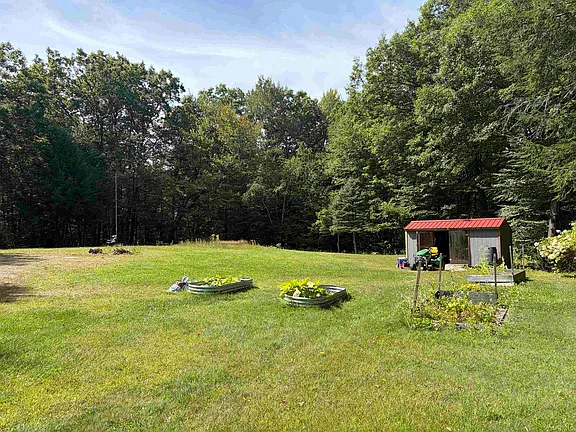
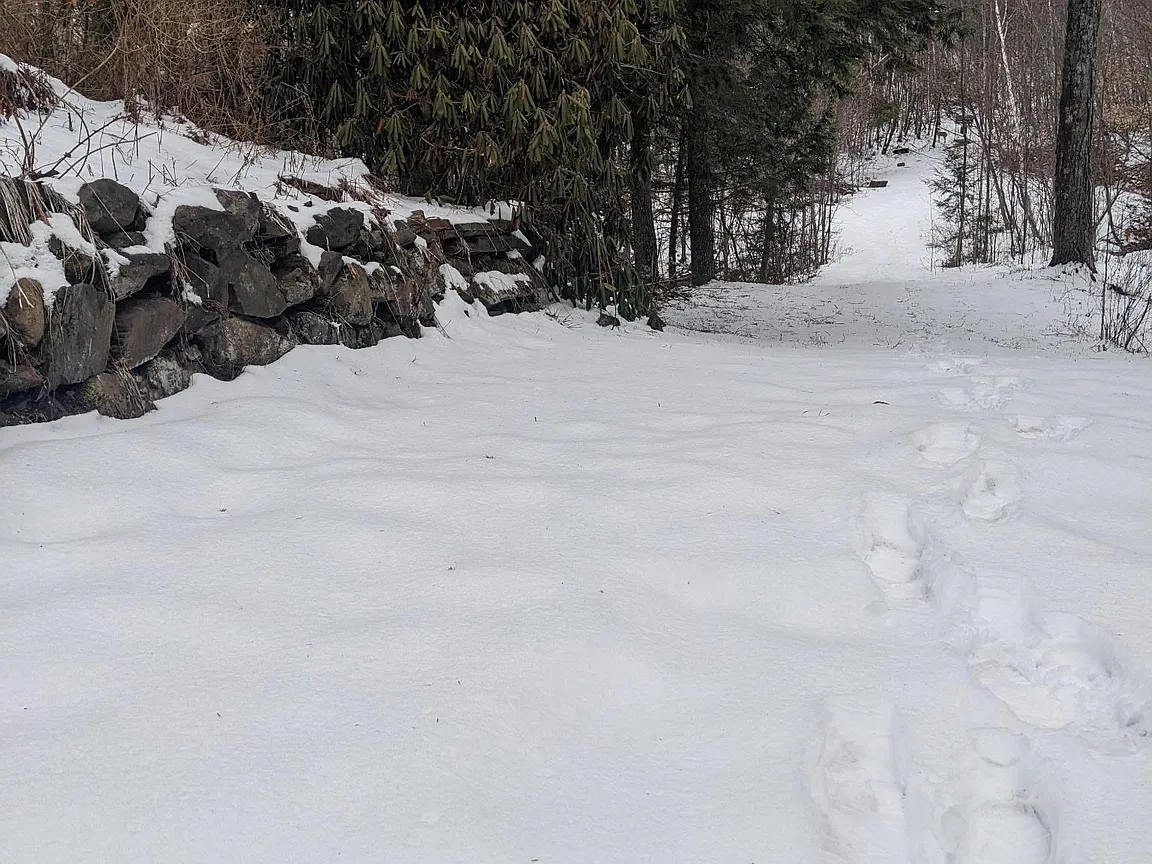
An extensive trail system already winds through the property for hiking or cross-country skiing, and sheds plus a carport add storage beyond the house itself — a generator hookup means outages here don't have to mean losing power.
Homestead Potential
Water & Infrastructure
The listing doesn't specify a well, though septic service (a 1000-gallon tank with a leach field) is confirmed, and a mapped wetland area on the property suggests the land holds water naturally in at least one spot — worth walking that section before assuming it's usable for anything beyond wildlife habitat. Acworth sits in New Hampshire's granite-bedrock uplands, where well yields can vary sharply parcel to parcel, so confirming the well's depth and output (if one exists) or the cost of drilling one should be a priority. Twenty-eight rural acres, 23 of them enrolled in NH's Current Use program, generally implies the land has gone through some baseline assessment already, since Current Use eligibility depends on the parcel's actual forest or agricultural classification. Given the property's wetland feature and hiking trails, this reads as land with real natural water character, even without a clear answer yet on the household water source.
Crop & Income Potential
Twenty-three of this property's 28 acres are enrolled in New Hampshire's Current Use program, a real tax incentive that rewards keeping land in forest or agricultural use rather than developing it — a meaningful signal about both the tax bill and the land's actual character. The Acworth/Charlestown area sits in the Connecticut River valley's hill country, ground that has historically supported small dairy and hay operations more than row crops, consistent with this property's wooded, trail-laced profile rather than open farmland. Sheds and a carport already provide some equipment storage, though there's no mention of pasture fencing or tillable open ground, so a buyer picturing livestock or row crops would likely be clearing and fencing from scratch. The property's real agricultural asset right now is its timber and trail network — a working woodlot or maple operation is a more realistic near-term use than field farming on this terrain.
Sustainability
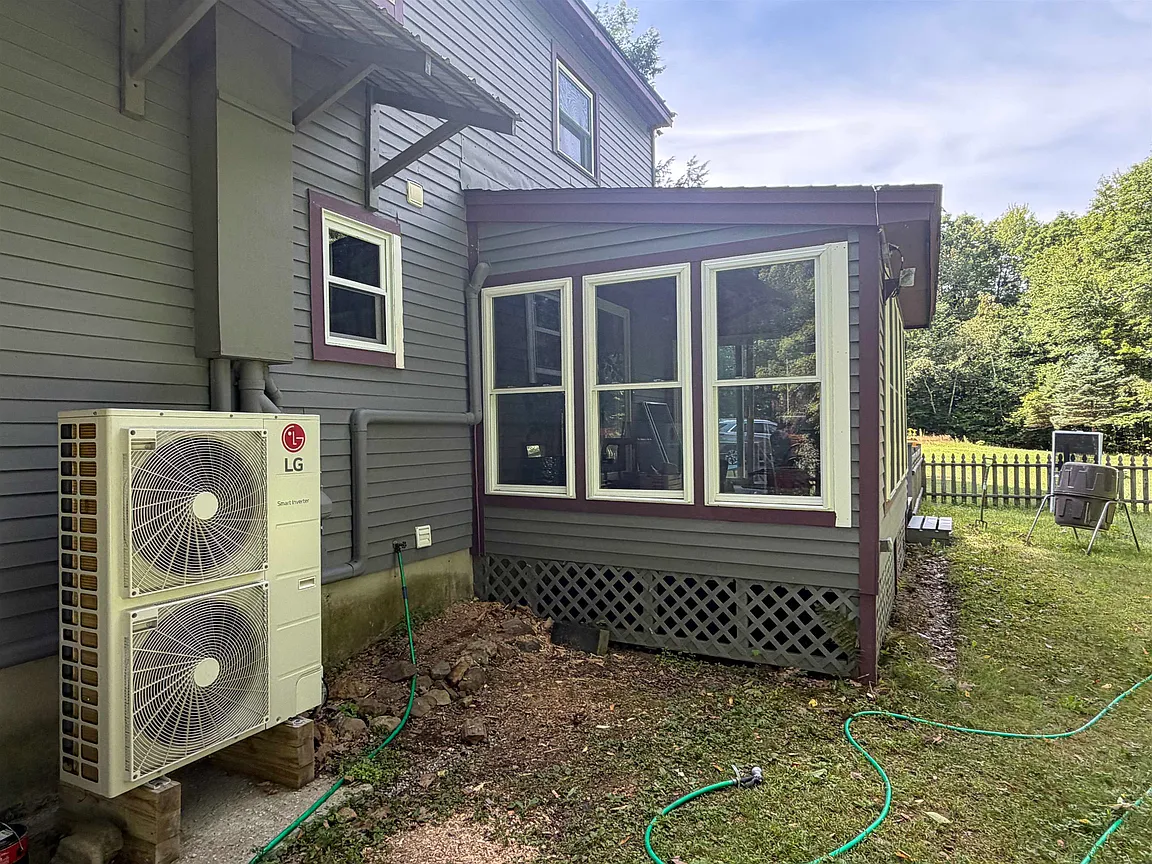
A generator hookup is already in place, a real head start for anyone planning to keep the lights on through New Hampshire's winter storm outages without a full home rewire. The wood stove built into the living room's hearth offers a genuine secondary heat source beyond the home's oil and heat-pump systems, which can meaningfully cut heating costs across a long New England winter. Storage sheds and a carport add capacity for tools and equipment, though there's no mention of solar, a root cellar, or other food-storage infrastructure, so those would be a new owner's additions. Enrollment in Current Use also means the property has been actively managed as forest or farmland rather than left idle, a small but real sign of ongoing stewardship.
The Boundaries
At 28 acres with 300 feet of road frontage, the property has real depth back from the road, though a buyer should confirm exactly where the wetland area sits relative to any building plans, since wetlands in New Hampshire carry their own state setback and permitting rules. Current Use enrollment also comes with its own rules: pulling land out of the program later (to subdivide or develop it, for instance) triggers a land use change tax, so a buyer planning any future development should understand that cost before closing. The property borders the Acworth/Charlestown town line, so confirming which municipality governs which section of the land — and their respective zoning — is worth a direct call to both town offices. A current survey is a reasonable expense given the property's size and the number of overlapping considerations that touch its actual usable boundaries.
Beyond the Property Line
Local Flavor & Small-Town Character
Acworth is a small, quiet town in New Hampshire's Monadnock region, the kind of place with a town common and a general store rather than a commercial strip, and Charlestown next door adds the Fort at No. 4 Living History Museum, a genuine reconstructed 1700s frontier settlement that draws visitors interested in the region's colonial history. Claremont, the nearest larger town, offers a real grocery and retail base within a reasonable drive without requiring a trip all the way to a city. The Connecticut River, which forms New Hampshire's western border, runs a few miles from this property and shapes much of the area's geography and history. For a property this rural, having an actual historic attraction and a working small-town center nearby gives Acworth more identity than many similarly remote New England towns.
Agricultural Resources & Neighbor Networks
UNH Cooperative Extension's Cheshire County office supports the area's small farms and woodlot owners with forestry management guidance suited to New Hampshire's granite-and-hardwood terrain, directly relevant to a property enrolled in Current Use. New Hampshire's Current Use program itself, administered through the state's Department of Revenue Administration, is the single most relevant resource for this specific property, and the local town assessor's office can confirm exactly what the enrollment requires going forward. Feed and farm supply is a drive into Claremont or across into Vermont, both of which still serve a genuinely rural customer base in this part of the Connecticut River valley. The region's maple sugaring tradition runs deep in this part of New Hampshire, and a woodlot like this one's mixed hardwoods would be worth having assessed for sugarbush potential by a local forester.
Outdoor Recreation & Natural Surroundings
The property's own extensive trail system, already winding through the 28 acres, offers hiking and cross-country skiing without ever leaving home — a genuine, ready-to-use recreational asset rather than a future project. Mount Monadnock, one of the most-hiked mountains in the United States, anchors the broader region and draws hikers from across New England to its bare granite summit. The Connecticut River, a short drive away, offers canoeing, kayaking, and fishing along one of the Northeast's major waterways. Between the property's private trails and the region's mountain and river access, outdoor recreation here starts at the front door and extends outward from there.
This property's real strength is trails and forest, not farm or homestead infrastructure — 28 acres already enrolled in Current Use with a network of trails winding through it is a genuine, ready-to-enjoy asset, even though there's no barn, pasture, or confirmed well to point to. The wood stove and generator hookup give it a real head start on weathering New Hampshire winters, but a buyer picturing livestock, a big garden, or off-grid independence would be building most of that from scratch here.
— Your Pastures & Porches Team
Listed on Zillow
Pastures & Porches is not a real estate agency and does not represent any property or agency. Pastures & Porches is an informational blog based on our own point of view. All properties are subject to prior sale, change or withdrawal. Pastures & Porches is not responsible for any misinformation, including but not limited to price, status or condition. All information shared by Pastures & Porches must be independently verified. Comments and opinions posted by Pastures & Porches does not represent the listing, property owners or agents.
Links to other websites:
Pastures & Porches includes links from other websites. These sites have separate and independent privacy policies. Pastures & Porches does not guarantee and have no liability for their content, information and privacy policies when accessed via our website’s link.
Google Advertising provides a positive experience for users. Google AdSense Advertising is placed on our website in order to place ads regarding users’ historical visits on our and other websites. Data is collected and used for advertising purposes. Find more about Google AdSense privacy policy on the link https://support.google.com/adsense/answer/1348695?hl=en
We analyze data via Google Analytics. Cookies are used as a way of gathering information in order to create reports. It’s a matter of your own choice to accept or decline cookies when they pop up on our website. All browsers have instructions for enabling and disabling cookies. Stored personal information on the website may have correlation to the stored information in cookies. In general, cookies do not have data for user’s personal identification. Click on the link for Google Analytics’ privacy policy https://policies.google.com/privacy